
Key Takeaways
- Sleep needs stay about the same with age, roughly 7 to 9 hours a night.
- Earlier bedtimes, lighter sleep, and brief wake-ups are common shifts.
- Medications, aches, caffeine, and evening habits can all play a role.
- Steady routines, daytime light, and a cool, dark bedroom often help.
- Ongoing sleep trouble, loud snoring, or gasping deserves a closer look.
- Senior living communities offer structure and support that can make restful nights easier.
Restless Nights and What They Really Mean
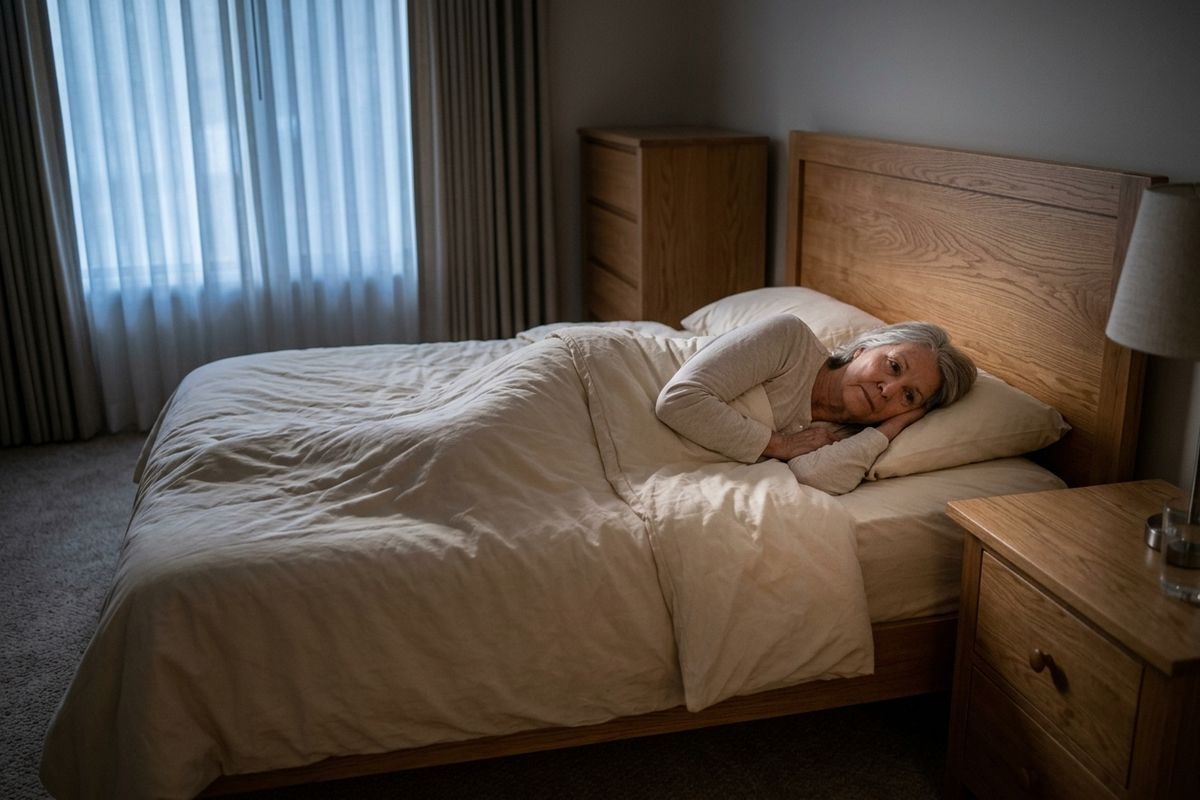
You lie down at 9 p.m., drift off quickly, then find yourself wide awake at 2:30 a.m. staring at the ceiling. Maybe your mom mentions she’s tired all afternoon but can’t settle at night. It’s frustrating, and it’s more common than you might think.
Some sleep changes are a normal part of aging, but poor sleep night after night isn’t something you have to simply accept. Knowing the difference helps you decide what to adjust at home and when to ask the team at Adelaide Place Assisted Living by Frontida for extra support.
How Sleep Shifts With Age
Adults over 65 still need about the same amount of rest as they always have. What changes is the shape of that rest. Bedtimes creep earlier, mornings start sooner, and sleep tends to feel lighter than it once did.
That lighter sleep means you notice more. A creaky floorboard, a passing car, or a warm room can pull you out of rest in a way it didn’t 20 years ago.
What Counts as a Normal Change
Waking up briefly once or twice and drifting back off is typical. So is feeling a little sleepy after lunch, or getting up for a bathroom trip in the middle of the night.
If you fall back asleep without much fuss and feel reasonably alert during the day, your sleep is likely doing its job.
What Deserves a Closer Look
Some patterns are worth paying attention to:
- Trouble falling or staying asleep that lasts a month or longer
- Loud snoring or gasping sounds during the night
- Daytime drowsiness that interferes with driving, reading, or conversation
- Needing several naps just to get through the day
Common Reasons Sleep Feels Harder Now
Sore joints, an achy back, or breathing that feels tight can make it hard to settle into a comfortable position. When your body is uncomfortable, your mind stays alert.
Medications matter too. Some prescriptions are more energizing than others, and taking them later in the day can nudge bedtime further out. A pharmacist or doctor can often suggest a timing adjustment.
Then there are everyday habits. An afternoon coffee, a glass of wine with dinner, or a late snack in front of the TV can all quietly shorten the night.
Why 3 a.m. Wake-Ups Happen
Your internal clock naturally shifts earlier over the years. If you’re falling asleep at 8:30 p.m., a 3 a.m. wake-up means you’ve already logged a full stretch of rest.
Lighter sleep stages, physical discomfort, or a worried mind can also bring you out of sleep at that hour. The room feels quiet, and small concerns start to feel larger.
Mood and Life Changes
Stress, sadness, or the loss of someone close can settle into your nights before you notice it during the day. Rest often reflects what you’re carrying.
Days with less structure play a part as well. When there’s no reason to get up at a set time, your body has a harder time knowing when to wind down. Little movement between morning and evening adds to that.

Habits That Help Seniors Sleep at Night
- Go to bed and wake up at the same time every day, weekends included.
- Build a calming wind-down routine, like a warm shower, soft music, or a few pages of a book.
- Move your body during the day and get outside for morning light when you can.
- Finish caffeine by early afternoon and keep evening drinks light.
Bedroom Setup Tips
A cool, quiet, dark room gives your body the signal it’s looking for. Blackout curtains help with early light. A fan for steady background sound and soft bedding go a long way too.
Turn the clock away from view. Watching the minutes tick by tends to make falling back asleep harder.
Smart Naps
Naps aren’t off limits. Keep them to about 20 or 30 minutes and finish before 3 p.m. so nighttime rest stays intact.
Sleep Concerns Worth Extra Attention
Bring it up if sleepless nights have stretched past 3 months, if there are pauses in breathing during sleep, or if legs tingle with a strong urge to move at bedtime. These are common and manageable.
What a Sleep Diary Can Show
For 2 weeks, jot down bedtime, wake-ups, caffeine, meals, and activity. Patterns show up fast, and that page gives the care team something concrete to work with.
How Senior Living Supports Restful Nights
Steady mealtimes, social hours, and daytime activity help the body settle into a rhythm again. Assisted living teams can help with medication schedules so timing stays consistent.
Memory care and behavioral health support offer added attention when nights feel unsettled. And after dark, staff are nearby and walking paths stay clear and softly lit.
Final Thoughts on Sleep and Age
Restless nights aren’t simply part of getting older, and small changes often bring noticeable improvement within a few weeks. A supportive community makes good rest easier to come by.
Reach out to Adelaide Place Assisted Living by Frontida to learn how the team supports comfortable days and peaceful nights.